
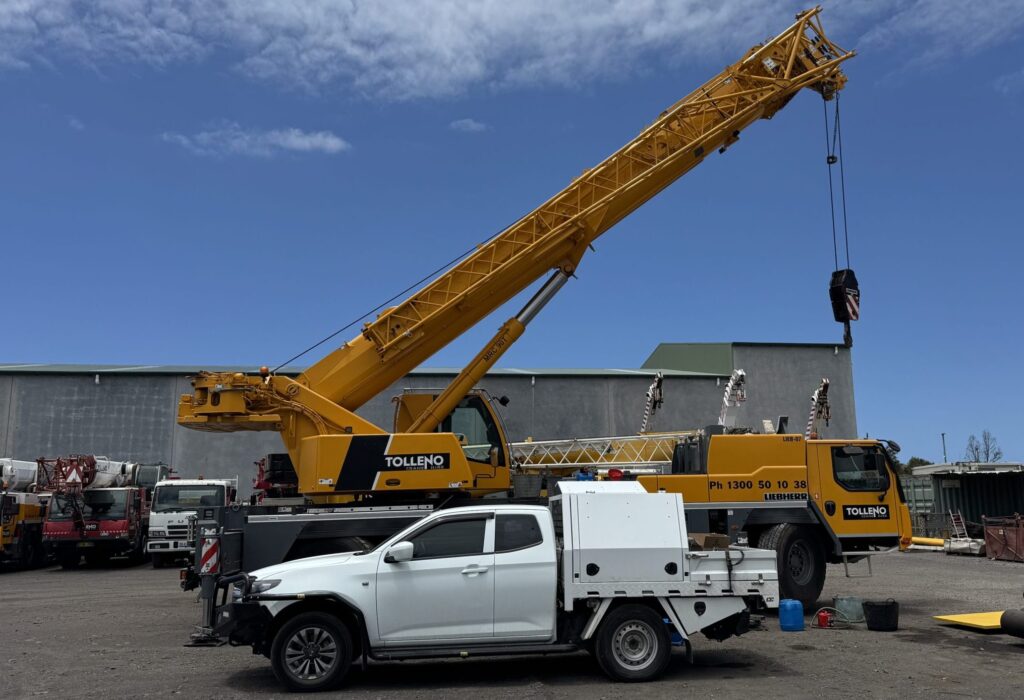
Mobile cranes are essential tools in industries like construction, mining, and logistics, where heavy lifting is a routine part of operations. However, their complexity, size, and exposure to extreme conditions make them susceptible to wear and tear. Regular servicing and inspections are critical to maintaining their safety, performance, and longevity. This article will explore the reasons why regular maintenance is indispensable, the components that require attention, and best practices to ensure compliance with industry standards.
Why Are Regular Servicing and Inspections Crucial?
1. Safety Assurance
Safety is the foremost concern when operating mobile cranes. Faulty components or overlooked wear can lead to catastrophic failures, including crane collapse or load drops, putting lives and property at risk.
2. Compliance with Regulations
Workplace safety standards, such as the Australian Work Health and Safety (WHS) Regulations, require regular servicing and inspections of mobile cranes. Compliance ensures that operators and businesses meet legal obligations, avoiding penalties and potential liabilities.
3. Prevention of Costly Breakdowns
Identifying and addressing minor issues during routine servicing prevents them from escalating into major failures. This proactive approach reduces repair costs and minimizes unplanned downtime.
4. Optimized Performance
Well-maintained cranes operate more efficiently, consume less fuel, and deliver consistent performance. Regular maintenance ensures that all systems are functioning at optimal levels.
5. Extended Equipment Lifespan
Routine servicing and inspections help identify wear and tear early, enabling timely repairs or replacements. This extends the operational life of the crane, protecting your investment.
6. Enhanced Operator Confidence
Knowing the crane is in peak condition boosts operator confidence and ensures smoother operations. A reliable crane fosters trust and productivity on the job site.
Key Components Requiring Regular Attention
1. Structural Components
• Boom and Jib: Check for cracks, dents, or corrosion that could compromise the structural integrity.
• Counterweights: Inspect for proper attachment and signs of wear or damage.
• Pins and Bolts: Ensure all fasteners are secure and free of defects.
2. Hydraulic System
• Hoses and Cylinders: Look for leaks, cracks, or wear.
• Hydraulic Fluids: Maintain fluid levels and replace them as per the manufacturer’s schedule.
• Pump and Valves: Test for smooth operation and proper pressure levels.
3. Wire Ropes and Sheaves
• Wire Ropes: Inspect for fraying, kinks, or corrosion, which can reduce load capacity.
• Sheaves: Ensure they are aligned and free of wear to prevent damage to ropes.
4. Engine and Powertrain
• Engine: Regularly service the engine, including oil changes, filter replacements, and coolant checks.
• Transmission: Inspect for proper functionality and fluid levels.
• Fuel System: Check for leaks, clogs, or worn components.
5. Outriggers and Stabilizers
• Structural Condition: Inspect for cracks, bends, or wear.
• Pads and Mats: Ensure they are in good condition to distribute load forces evenly.
6. Brakes and Control Systems
• Braking Systems: Test service brakes, emergency brakes, and holding brakes for reliability.
• Controls: Verify that all levers, buttons, and electronic controls are responsive and functioning correctly.
7. Electrical Systems
• Cables and Connections: Inspect for frayed wires, loose connections, or corrosion.
• Warning Lights and Alarms: Ensure all indicators and alarms are operational.
8. Load Indicators and Safety Devices
• Load Moment Indicators (LMI): Calibrate regularly to ensure accurate readings.
• Anti-Two-Block Devices: Test functionality to prevent dangerous situations.
• Limit Switches: Verify that they are operational and set correctly.
Types of Inspections and Maintenance
1. Pre-Start Inspections
Daily pre-start checks help identify immediate safety concerns, such as visible wear, leaks, or improperly functioning components.
2. Routine Maintenance
Conducted at regular intervals (e.g., weekly or monthly), routine maintenance involves more detailed inspections and servicing based on manufacturer recommendations.
3. Annual Inspections
A comprehensive yearly inspection is typically required by law. This includes a thorough assessment of all structural, mechanical, and safety systems.
4. Major Servicing
Performed after a set number of operational hours (e.g., 1,000 or 2,000 hours), major servicing involves detailed inspections, overhauls, and replacements of critical components.
Consequences of Neglecting Maintenance
Neglecting regular servicing and inspections can lead to serious consequences, including:
• Crane Failures: Malfunctioning components can result in accidents, injuries, or fatalities.
• Operational Downtime: Breakdowns lead to project delays, affecting productivity and profitability.
• Legal and Financial Penalties: Failing to comply with safety regulations can result in fines, lawsuits, or loss of operating licenses.
• Higher Repair Costs: Minor issues left unattended can escalate into costly major repairs or component replacements.
• Shortened Equipment Lifespan: Lack of maintenance accelerates wear and tear, reducing the crane’s usable life.
Best Practices for Maintenance and Inspections
1. Follow Manufacturer Guidelines
Adhere to the crane manufacturer’s maintenance schedule and recommendations to ensure optimal performance and compliance.
2. Use Trained Personnel
Only qualified technicians and inspectors should perform servicing and inspections to ensure accuracy and reliability.
3. Maintain Detailed Records
Keep a log of all inspections, servicing, and repairs. This documentation is essential for compliance audits and future reference.
4. Implement a Maintenance Plan
Develop a structured maintenance plan that includes routine servicing, scheduled inspections, and contingency measures for emergencies.
5. Utilize Technology
Modern cranes often come equipped with telematics systems that monitor performance and provide maintenance alerts. Use these systems to stay ahead of potential issues.
Conclusion
Regular servicing and inspections are vital for the safe and efficient operation of mobile cranes. They ensure compliance with regulations, prevent costly breakdowns, and extend the lifespan of the equipment. By addressing potential issues proactively and maintaining a rigorous maintenance schedule, businesses can protect their investment, ensure the safety of their workforce, and maintain a strong reputation in the industry. Remember, a well-maintained crane is not just an operational asset—it is a commitment to safety and excellence.