
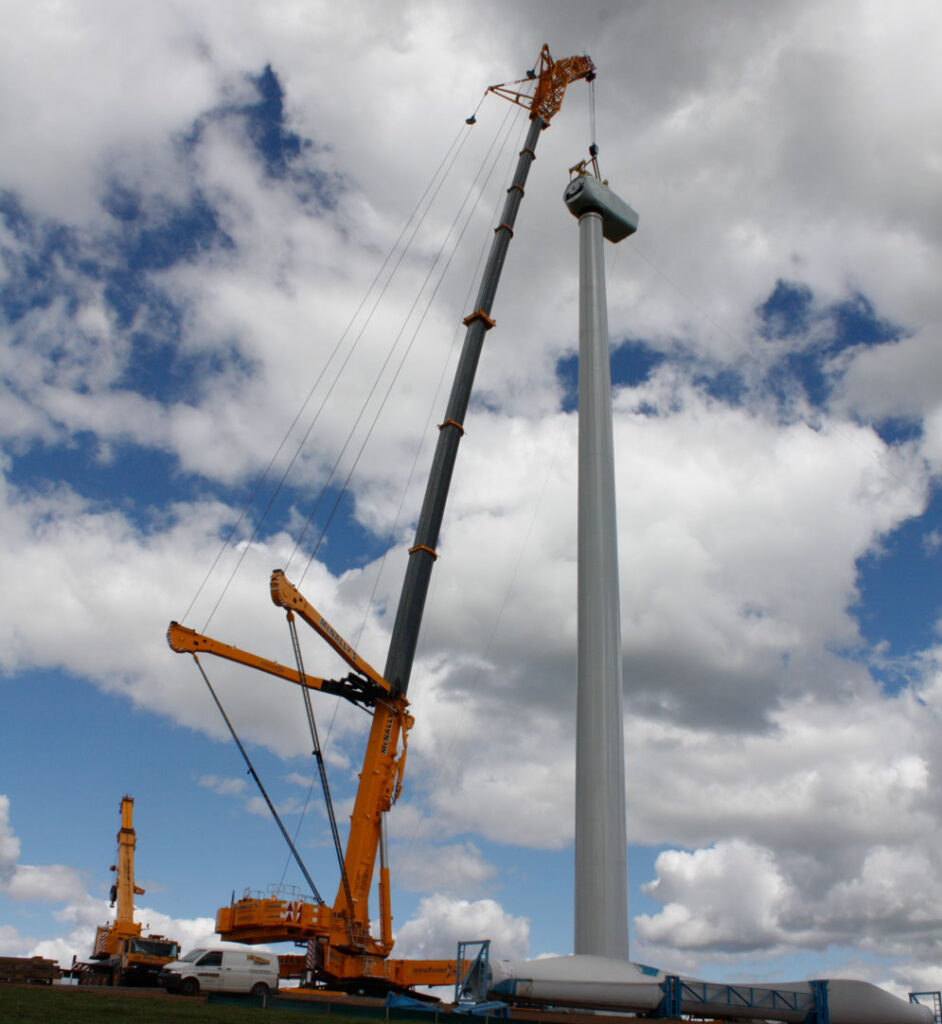
Introduction to Modern Lifting Technologies
The crane and industrial lifting industry has undergone significant technological transformation in recent years, with carbon fibre materials and advanced synthetic technologies revolutionising traditional lifting equipment. Modern lifting solutions now prioritise strength, weight reduction, durability, and enhanced safety features that were previously impossible with conventional materials.
Carbon Fiber Lifting Slings: A Technological Marvel
Material Composition and Advantages
Carbon fibre lifting slings represent a quantum leap in lifting technology. Unlike traditional steel wire ropes or polyester webbing slings, carbon fibre provides an unprecedented combination of characteristics:
- Exceptional Strength-to-Weight Ratio Carbon fiber slings offer extraordinary tensile strength while remaining remarkably lightweight. A carbon fibre sling can be up to 80% lighter than equivalent steel cable alternatives, dramatically reducing worker strain and equipment load requirements.
- Corrosion Resistance Where traditional metal slings deteriorate when exposed to harsh environmental conditions, carbon fiber maintains its structural integrity. Marine environments, chemical processing plants, and extreme temperature zones become considerably less challenging with these advanced slings.
- Fatigue and Wear Performance Carbon fibres molecular structure allows for superior fatigue resistance. These slings can withstand repeated stress cycles with minimal degradation, providing longer service life and enhanced predictability in high-demand industrial applications.
Technical Specifications
Carbon fibre slings typically feature:
- Tensile strength ranges from 3,000 to 12,000 kg/cm²
- Operating temperature ranges from -40°C to 150°C
- Minimal elongation under load (typically less than 2%)
- High resistance to UV degradation
- Low moisture absorption characteristics
Winch Ropes: Evolution of Lifting Cable Technologies
Modern Winch Rope Composition
Contemporary winch ropes have transcended traditional steel wire constructions. Today’s advanced ropes incorporate:
- Synthetic fibre cores (Dyneema, Kevlar)
- Advanced polymer sheathing
- Hybrid metal-synthetic composites
Key Performance Characteristics
- Reduced overall weight
- Enhanced flexibility
- Superior resistance to environmental degradation
- Improved shock-load absorption
Safety Considerations in Lifting Equipment
Critical Design Parameters
When selecting lifting equipment, engineers must consider multiple factors:
- Working load limit (WLL)
- Safety factor requirements
- Environmental exposure conditions
- Frequency and intensity of anticipated use
- Potential chemical or mechanical stress scenarios
Inspection and Maintenance Protocols
Regular comprehensive inspections remain crucial, regardless of material sophistication. Recommended practices include:
- Quarterly visual comprehensive examinations
- Annual detailed non-destructive testing
- Immediate replacement after any suspected structural compromise
- Maintaining detailed usage and inspection logs
Emerging Technologies and Future Trends
Predictive Monitoring Systems
The next frontier in lifting technologies involves integrating:
- Embedded sensor technologies
- Real-time stress monitoring
- Artificial intelligence-driven wear prediction
- Automated lifecycle management systems
These innovations promise to transform reactive maintenance approaches into proactive, data-driven equipment management strategies.
Economic and Industrial Implications
The transition to advanced carbon fibre and synthetic lifting technologies represents more than a material upgrade. It signifies a fundamental shift in:
- Operational efficiency
- Worker safety
- Long-term cost management
- Environmental sustainability
Companies investing in these technologies can expect:
- Improved operational flexibility
- Reduced equipment replacement frequencies
- Lower maintenance costs
- Enhanced workplace safety metrics
Conclusion: A Technological Renaissance
Carbon fibre lifting slings and modern winch rope technologies epitomize the ongoing technological renaissance in industrial equipment. As materials science continues to push boundaries, we can anticipate even more remarkable innovations in lifting and rigging technologies.
The crane industry stands at the cusp of a transformative era, where advanced materials, intelligent design, and predictive technologies converge to redefine what’s possible in heavy lifting and industrial manipulation.
Disclaimer: Always consult professional engineers and adhere to current industrial safety standards when selecting and implementing lifting equipment.